
Are you ready to take the exciting step toward owning your own home? Understanding the home loan approval requirements is the key to turning that dream into reality.
Whether this is your first time applying or you’ve been through the process before, knowing exactly what lenders look for can save you time, stress, and even money. You’ll discover the essential factors that influence approval—like your income, credit score, employment status, and more.
By the end, you’ll feel confident about what you need to prepare and how to present yourself as the ideal borrower. Keep reading to unlock the secrets that can fast-track your home loan approval and get you one step closer to your new front door.
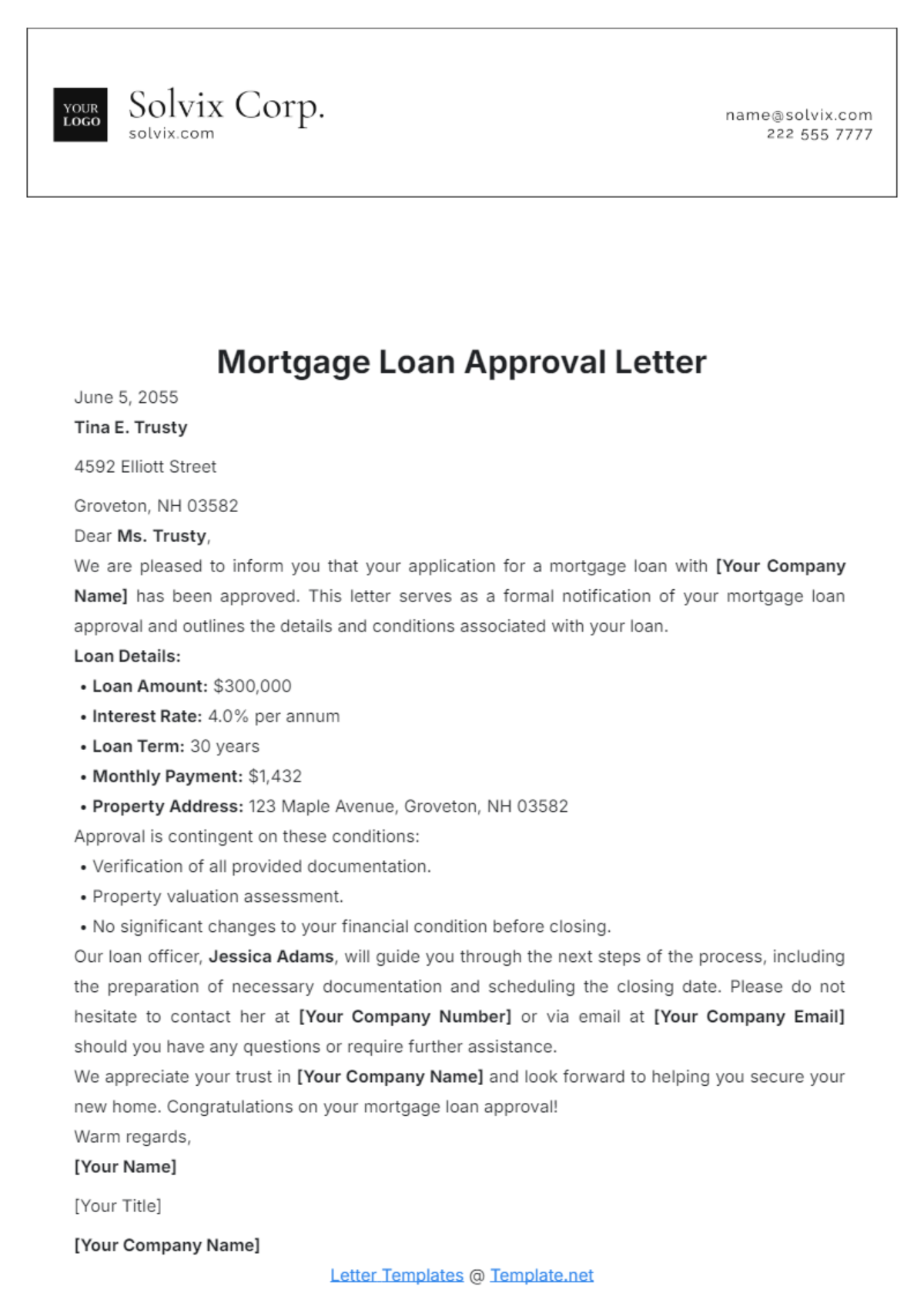
Key Mortgage Criteria
Credit score shows how well you pay debts. Higher scores help get better loan deals. Lenders want scores usually above 620.
Income verification means proving how much money you earn. Pay stubs, tax returns, or bank statements can show this. Stable income means less risk for lenders.
Employment stability is important. Lenders like to see steady jobs for at least two years. Changing jobs often may cause concerns.
Assets and savings prove you can pay bills and emergencies. Savings, investments, or other properties count. They give lenders confidence in your finances.
Property appraisal checks the home’s value. An expert inspects the property to make sure it is worth the loan amount.
Title and ownership mean clear rights to the property. Lenders check for no disputes or unpaid debts on the home.

Essential Documents
Proof of income is a key document for home loan approval. Lenders want to see stable and regular earnings. Pay stubs or employment letters help verify your income.
Tax returns and W-2s provide a detailed history of your earnings. Lenders usually require these for the past two years. They show your ability to pay back the loan.
Bank statements prove that you have enough funds for down payments and closing costs. They also show your saving habits. Recent statements are often requested.
Identification and residency documents confirm who you are and where you live. A driver’s license or passport works for ID. Utility bills or lease agreements prove residency.
Credit reports show your credit history and score. Lenders use this to assess your risk. A good credit score improves your chances of loan approval.
Loan Types And Requirements
Conventional loans need a good credit score, usually 620 or higher. Borrowers must have a steady income and a down payment, often 5% or more. These loans do not have government insurance.
FHA loans are backed by the government and easier to qualify for. They require a credit score of about 580 or higher and a down payment as low as 3.5%. These loans help buyers with lower credit scores.
VA loans are for veterans and active military members. No down payment is usually needed. Borrowers must have a good service record and meet lender rules. These loans often have lower interest rates.
USDA loans help buyers in rural areas. They require no down payment and have low interest rates. Borrowers must meet income limits and the home must be in an eligible rural area.
Improving Approval Chances
Boosting your credit score is key to getting your home loan approved. Pay bills on time and keep credit card balances low. Avoid opening many new credit accounts.
Lowering your debt-to-income ratio helps lenders see you as less risky. Try to pay off debts and avoid new loans. This shows you can handle your payments.
Saving for a down payment shows you have funds ready for the home. A larger down payment can improve approval chances and reduce loan costs.
Maintaining stable employment proves steady income. Lenders prefer borrowers with a consistent job history, usually at least two years in the same field.
Preapproval Benefits
Getting a loan commitment means a lender promises to loan a set amount. This shows sellers you are serious. It can speed up the buying process. The commitment is based on your income, credit, and assets. It lasts for a limited time, giving you a window to find a home.
Understanding your budget helps you choose homes within your price range. It shows how much you can afford for monthly payments. Knowing this prevents stress later. It also helps you plan for extra costs like taxes and insurance.
Strengthening your offer position means you stand out to sellers. A preapproval letter proves you can buy the home. Sellers often accept offers from buyers with loan commitments first. This can give you an advantage in a competitive market.
Using Calculators
Using online calculators helps estimate loan amounts easily. Enter your income and expenses to see the possible loan you can get. This tool shows how much money you might borrow based on your financial details.
Calculating monthly payments is simple with these tools. Input the loan amount, interest rate, and loan term. The calculator shows your expected monthly payment, helping you plan your budget.
Assessing affordability is key to smart borrowing. Compare the monthly payment to your income. Make sure the payment fits comfortably within your budget. This step helps avoid financial stress later.
First-time Buyer Tips
Qualifying for a home loan starts with understanding key factors. Lenders check your income, credit score, and debt. A good credit score makes approval easier. Keep your debts low and steady income proof ready. Some assistance programs help first-time buyers with down payments or lower rates. Search for local or federal programs that fit your needs.
Building a credit history is important. Use a credit card and pay on time. Avoid opening many accounts at once. Keep your credit utilization below 30%. This shows lenders you manage credit well. Saving money for a down payment also helps.
| Step | Tip |
|---|---|
| Navigating Qualification | Show steady income, low debts, and good credit score |
| Accessing Assistance Programs | Look for local and federal first-time buyer aids |
| Building Credit History | Use credit wisely and pay bills on time |

Frequently Asked Questions
How Much Do I Need To Make To Get Approved For A $400,000 Loan?
To get approved for a $400,000 loan, you typically need an annual income around $80,000 to $100,000. Lenders also consider credit score, debt, and expenses.
How Much Income Do You Need To Qualify For A $500,000 Mortgage?
To qualify for a $500,000 mortgage, you typically need an annual income around $100,000 to $125,000. Lenders also consider credit, debts, and down payment.
What Is The 3 3 3 Rule For Mortgages?
The 3-3-3 rule for mortgages means your monthly housing cost should not exceed 33% of your income. You need at least 3% down payment and a credit score of 333 or higher. This helps ensure affordability and loan approval.
How Much Of A House Can I Afford If I Make $70,000 A Year?
With a $70,000 annual income, you can typically afford a home priced around $280,000 to $350,000. Lenders use your income, debts, and credit to determine the exact amount. Your down payment and interest rates also affect affordability. Use a mortgage calculator for precise estimates.
Conclusion
Understanding home loan approval requirements helps simplify your mortgage journey. Lenders check your income, credit score, employment, and assets carefully. Preparing these details early improves your chances of approval. Keep your documents organized and be honest about your financial status.
Meeting these criteria shows lenders you can repay the loan. Stay patient and follow the process step-by-step. With proper preparation, homeownership becomes more achievable. Remember, small efforts now lead to big rewards later.
Read More
- No Obligation Mortgage Quote: Get Fast, Free, and Easy Offers Today
- Best Mortgage Lender Quotes: Unlock Top Rates & Save Big Today
- Home Loan Quote Calculator: Instantly Compare Rates & Save Big
- Online Mortgage Quote Comparison: Unlock Best Rates Fast
- Instant Mortgage Rate Quote: Unlock Your Best Home Loan Today
- First Time Buyer Mortgage Broker: Expert Tips for Easy Approval
- Independent Mortgage Advisor Cost: What You Need to Know Today
- Mortgage Broker Fees UK: What You Need to Know Before Applying
- Online Mortgage Broker Comparison: Find the Best Rates Fast
- Self Employed Mortgage Qualification: Expert Tips to Secure Approval