
Thinking about using a mortgage broker in the UK but worried about the fees? You’re not alone.
Understanding mortgage broker fees can feel confusing and a bit overwhelming, especially when you want to secure the best deal without hidden costs sneaking up on you. But knowing exactly what fees to expect—and why they matter—can make all the difference in your home-buying journey.
You’ll discover how much mortgage brokers typically charge in the UK, what influences these fees, and how you can avoid paying more than you should. Ready to take control of your mortgage costs? Keep reading to get the full picture and make smarter financial choices.

Mortgage Broker Fee Basics
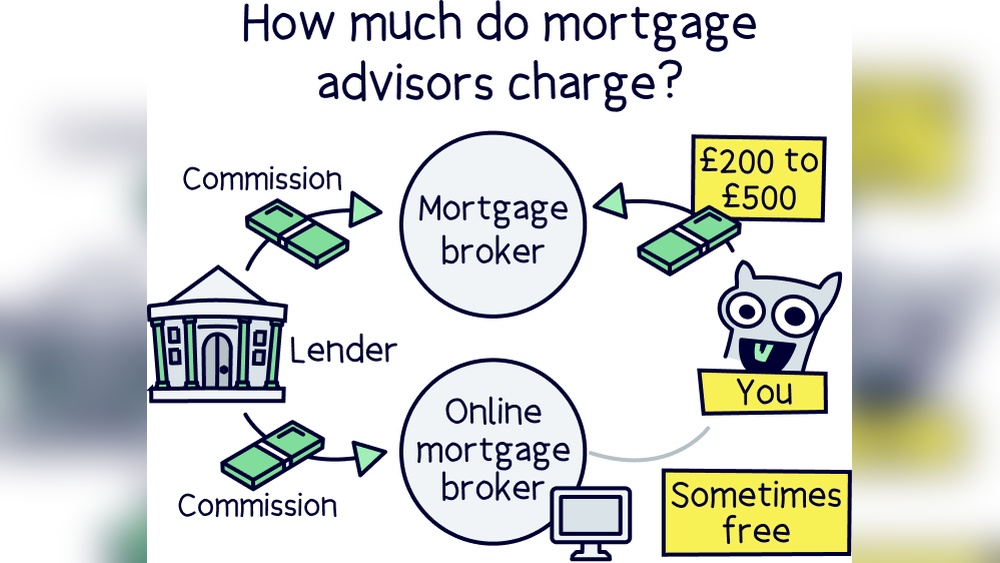
Mortgage brokers in the UK usually charge either a commission or a fixed fee. Commission means they get a small part of the mortgage amount. Fixed fees are a set price, no matter the mortgage size.
Typical commission rates range from 0.3% to 0.5% of the mortgage value. Fixed fees often sit between £300 and £500. Some brokers may charge more for complex cases.
| Fee Type | Typical Range | Notes |
|---|---|---|
| Commission | 0.3% – 0.5% | Based on mortgage amount |
| Fixed Fee | £300 – £500 | One-time payment |
Some brokers combine both fee types or offer free services paid by lenders. Always ask about fees before choosing a broker.
How Fees Are Charged
Upfront fees are sometimes charged by mortgage brokers before service. These fees can vary but often cover the cost of initial advice or application processing. Some brokers ask for a flat fee, while others charge a percentage of the loan amount.
Fees included in mortgage mean the broker’s payment is added to the mortgage loan itself. This option lets borrowers avoid paying money upfront. The fee is repaid slowly as part of monthly mortgage payments. This can increase total interest paid.
| Fee Type | Description | Who Pays |
|---|---|---|
| Upfront Fee | Paid before service starts | Borrower |
| Fee Included in Mortgage | Added to the loan amount | Borrower over time |
| No-Fee Broker | Broker earns commission from lender | Usually borrower, indirectly |
No-fee broker options exist. These brokers get paid by lenders, not borrowers. This can be helpful for those wanting to avoid upfront costs. However, check if this affects the mortgage terms.
Factors Influencing Broker Fees
The type of mortgage affects broker fees. Buy-to-let mortgages often cost more than residential ones. This is due to the higher risk and extra paperwork involved.
Complex mortgages usually need more work from brokers. They charge higher fees for these cases. Simple mortgages, like fixed-rate residential loans, tend to have lower fees.
The broker’s experience and reputation also play a big role. Well-known brokers with many years in the business may charge more. Less experienced brokers might offer lower fees to attract clients.
Choosing the right broker depends on balancing cost and expertise. Sometimes paying more means better advice and smoother approval.

Comparing Mortgage Broker And Direct Lender Costs
Mortgage brokers help find loans from many lenders. They may charge a fee or work on commission. Using a broker can save time and help get better rates. Brokers know the market well and can explain complex terms simply.
Going direct to a lender means dealing with one company. This might seem cheaper because no broker fee applies. But lenders may not offer the best deals to individuals directly. It can take more effort to compare options alone.
| Aspect | Mortgage Broker | Direct Lender |
|---|---|---|
| Fees | May charge a fee or commission | No broker fee, but fewer offers |
| Savings | Potentially better rates and terms | Less choice, possibly higher rates |
| Convenience | Handles paperwork and options | Must do research and paperwork |
Use a broker if you want help and choice. Go direct if you prefer no middleman and know what you want.
How To Choose The Right Broker
Check if the broker has valid credentials and licenses. Read customer reviews to see others’ experiences. Look for consistent positive feedback and trustworthiness.
Ask the broker to explain their fees clearly. Understand what is included and any extra costs. A transparent fee structure helps avoid surprises later.
It is okay to negotiate fees. Some brokers may reduce or waive charges depending on your situation. Always ask if discounts or flexible payment options are available.
Impact Of Fees On Your Mortgage Deal
Mortgage broker fees can affect the total cost of your mortgage deal. These fees might increase your interest rates, making monthly payments higher. Sometimes, brokers add a small fee on top of the lender’s rate.
Overall loan affordability changes when fees are included. Higher fees mean more money paid upfront or over time. This can reduce how much you can borrow or increase your monthly costs.
Watch out for hidden costs. Some fees are not clear at first, like admin charges or early repayment fees. Always ask for a full list of costs before signing any agreement.
Regulations And Consumer Protections
The Financial Conduct Authority (FCA) sets clear rules for mortgage brokers in the UK. These rules ensure brokers act fairly and give clear information about fees. Brokers must explain all costs before you sign anything.
Your rights as a borrower include knowing how much you will pay. You can ask for a full breakdown of fees anytime. Brokers should not pressure you to choose their service.
If you have problems, you can complain to the broker first. If the issue is not fixed, the Financial Ombudsman Service can help resolve disputes. This service is free and impartial.

Tips To Save On Mortgage Broker Fees
Fee-free mortgage brokers offer a great way to save money. They earn commission from lenders, so you pay nothing upfront. Many brokers in the UK work this way, especially for first-time buyers or remortgages.
Bundling services can cut costs too. Some brokers offer discounts if you use their mortgage and insurance services together. This saves on fees overall.
Applying at the right time helps as well. Interest rates and fees change often. Try to apply when rates are low and brokers offer promotions. This can reduce your total fees.
Frequently Asked Questions
What Is The Average Mortgage Broker Fee In The Uk?
The average mortgage broker fee in the UK ranges from £300 to £500. Some brokers work on commission, charging no upfront fee. Fees vary by service type and property. Always confirm fees before proceeding to avoid surprises.
Is 3% A Good Brokerage Fee?
A 3% brokerage fee is higher than average for mortgages. Many brokers charge 0. 5% to 1%. Evaluate services before paying.
What Salary Do I Need For A 400k Mortgage In The Uk?
For a £400,000 mortgage in the UK, you generally need an annual salary of around £80,000. Lenders usually offer 4-5 times your income. Exact requirements vary by lender and your credit profile.
Are Mortgage Brokers Worth It In The Uk?
Mortgage brokers in the UK can save time and access more deals. Many charge no fees, earning commission from lenders. Their expertise often helps secure better rates and suitable mortgages, making them worth considering.
Conclusion
Mortgage broker fees in the UK vary depending on the service. Some brokers charge a flat fee, while others work on commission. Many brokers offer free advice but earn from lenders. Always ask about fees before committing. Understanding these costs helps you make better choices.
Using a broker can save time and find better deals. Choose carefully to get the best value for your money.
Read More
- No Obligation Mortgage Quote: Get Fast, Free, and Easy Offers Today
- Best Mortgage Lender Quotes: Unlock Top Rates & Save Big Today
- Home Loan Quote Calculator: Instantly Compare Rates & Save Big
- Online Mortgage Quote Comparison: Unlock Best Rates Fast
- Instant Mortgage Rate Quote: Unlock Your Best Home Loan Today
- First Time Buyer Mortgage Broker: Expert Tips for Easy Approval
- Independent Mortgage Advisor Cost: What You Need to Know Today
- Online Mortgage Broker Comparison: Find the Best Rates Fast
- Self Employed Mortgage Qualification: Expert Tips to Secure Approval
- Home Loan Approval Requirements: Essential Tips for Fast Approval